We use cookies to give you the best experience on our website. These cookies are completely safe and secure and will never contain any sensitive information. Please read our Privacy Policy. By clicking "Ok" or clicking on any other content, you agree that cookies can be placed.
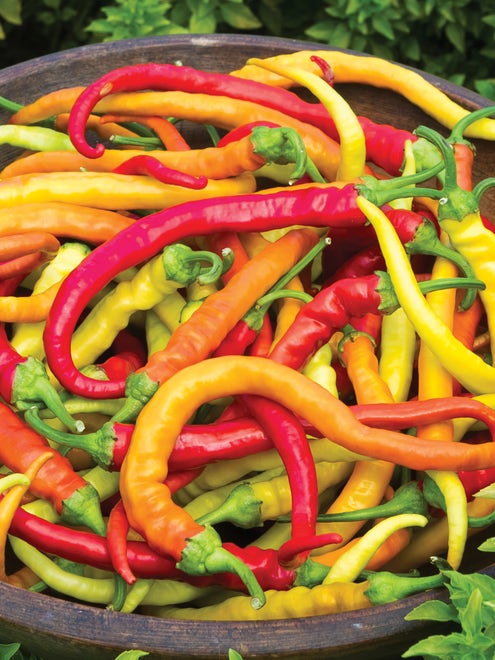
Pepper, Hot, Sweet Thing
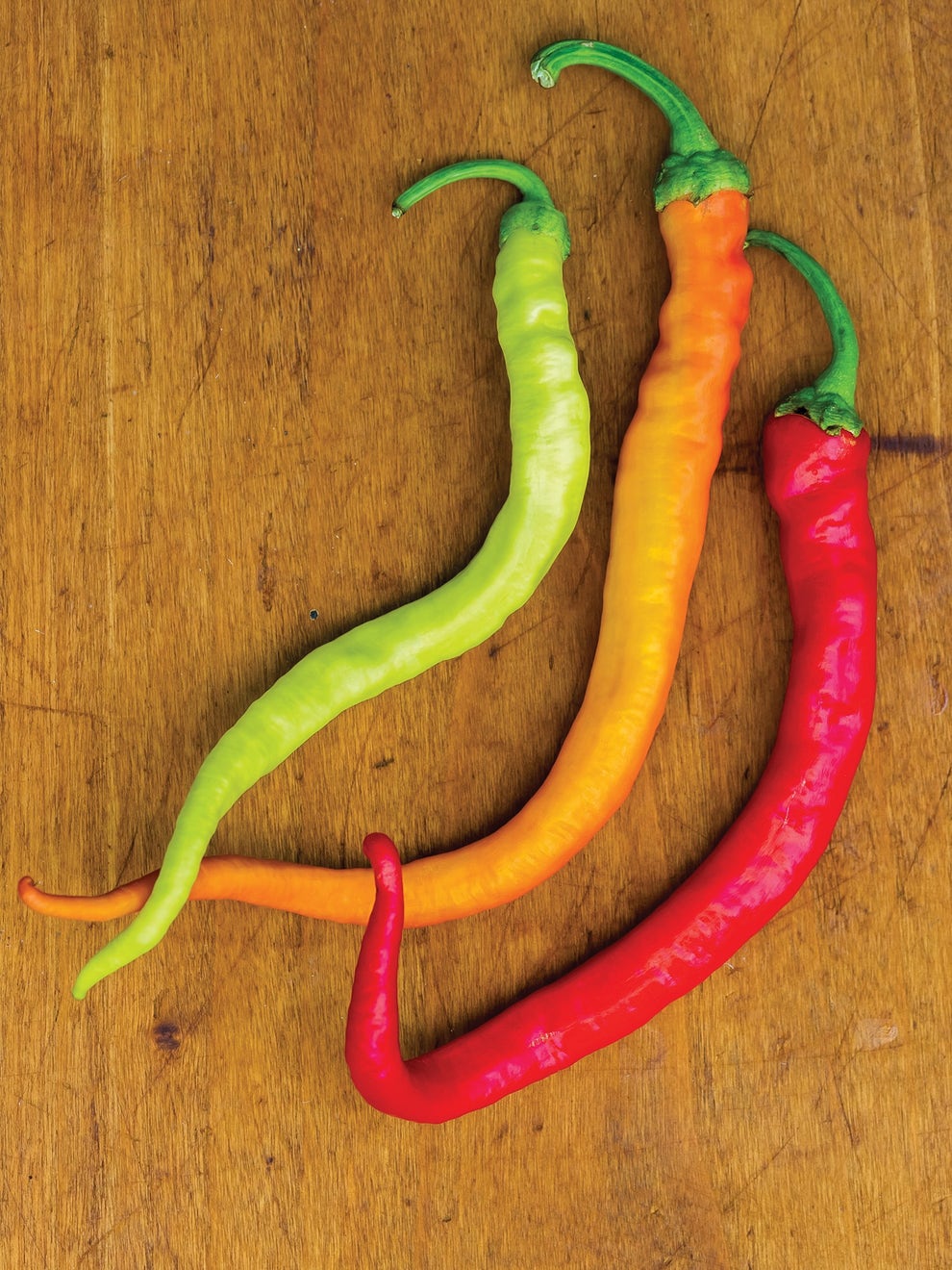
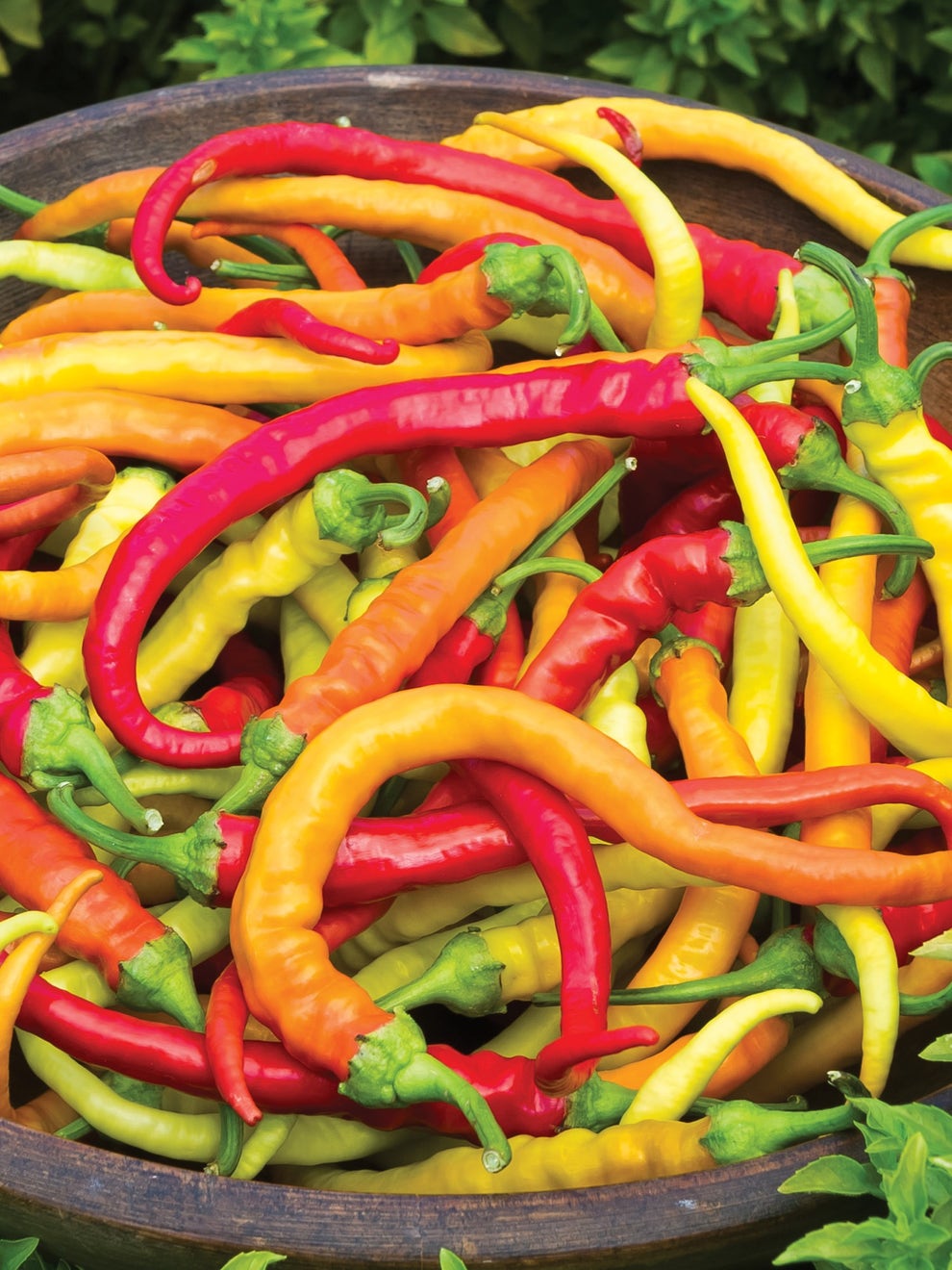
Sweet cayenne peppers without the heat. Rich, smoky flavor.
As low as $6.95
In stock
SKU
prod003181
Love peppers but cant take the heat? Prolific 30" tall plants produce loads of sweet, cayenne-shaped, 10-12" peppers with a slightly smoky note. Perfect for recipes requiring thin-walled grilling or dried peppers. Transitions from green to red.
AK, HI, APO, FPO, PR, Canda, Islands: All Seeds, Annual Flower Plants, Bulbs, Fruit Plants, Garlic, Herb Plants, Onions, Perennial Plants, Potatoes, Shallots, Tea, Vegetable Roots, Vegetable Plants
AZ: Cilantro Plants, Hops, Grape Vines, Kiwi
CA: Apple, Blueberry, Beach Plum, Cherry, Dahlia Plants, Grapes, Lemongrass, Ornamental Grass, Peach, Pear, Plum, Pelargonium Plants, Rose Wintergreen
CO: Beach Plum, Nectaplum, Ornamental Grass, Peach, Pear, Plum, Pluot, Potato, Peacotum
DE, ME, NH, NJ, NC, OH, WV: Currant Plants, Gooseberry Plants, Jostaberry Plants
FL: Miscanthus, Potatoes
GA: Blueberry Plants, Broccoli Plants, Chive Plants, Cabbage Plants, Eggplant Plants, Pepper Plants, Tomato Plants, Wintergreen
ID: Allium, Apple, Beach Plum, Chive Plants, Cherry, Dahlia Plants, Garlic, Grapes, Hops, Leek, Onion Plants, Peach, Pear, Plum, Potatoes, Shallots
MA: Currant, Gooseberry Plants, Jostaberry Plants, Lysimachia Plants
MI: Blueberry Plants, Currant, Gooseberry Plants, Jostaberry Plants
MT: Potatoes
NV: Dahlia Plants, Wintergreens
NY: Grapes, Miscanthus
OR: Beach Plum, Butterfly Bush, Corylus, Cherry, Dahlia Plants, Grapes, Hops, Peach, Plum, Pluot, Peacotum, Sambucus
SC, TN, WI: Tea Plants
TX: Dahlia Plants, Tea Plants
WA: Allium, Broccoli Plants, Beach Plum, Cabbage Plants, Cauliflower Plants, Chive Plants, Dahlia Plants, Garlic, Grapes, Hops, Leek, Marigold Plants, Onion Plants, Potatoes, Shallots
WY: Mint Plants
When You Grow
Average Last Frost
Average First Frost
From Seed Indoors
From Seed Outdoors
From Plant
Key Attributes
Reviews